
Herman Miller and the Decision to Let Designers Sign the Work
In the 1940s, most design companies operated in a pretty straightforward way.
The brand was the focus, and the company name was what people recognized. The designer wasn’t really part of the story. Furniture was produced, sold, and distributed, but rarely attributed. You didn’t necessarily know who made the thing you were sitting on, and for a while, that was just normal.
But Herman Miller approached things differently.
Instead of keeping everything under the company name, they started doing something simple: they credited the designers. Not quietly or in fine print, but in a way that was visible and intentional. They gave designers royalties, included their names in catalogs and product descriptions, and treated them as part of the work rather than separate from it. It wasn’t presented as a big statement. It was just how they chose to operate.
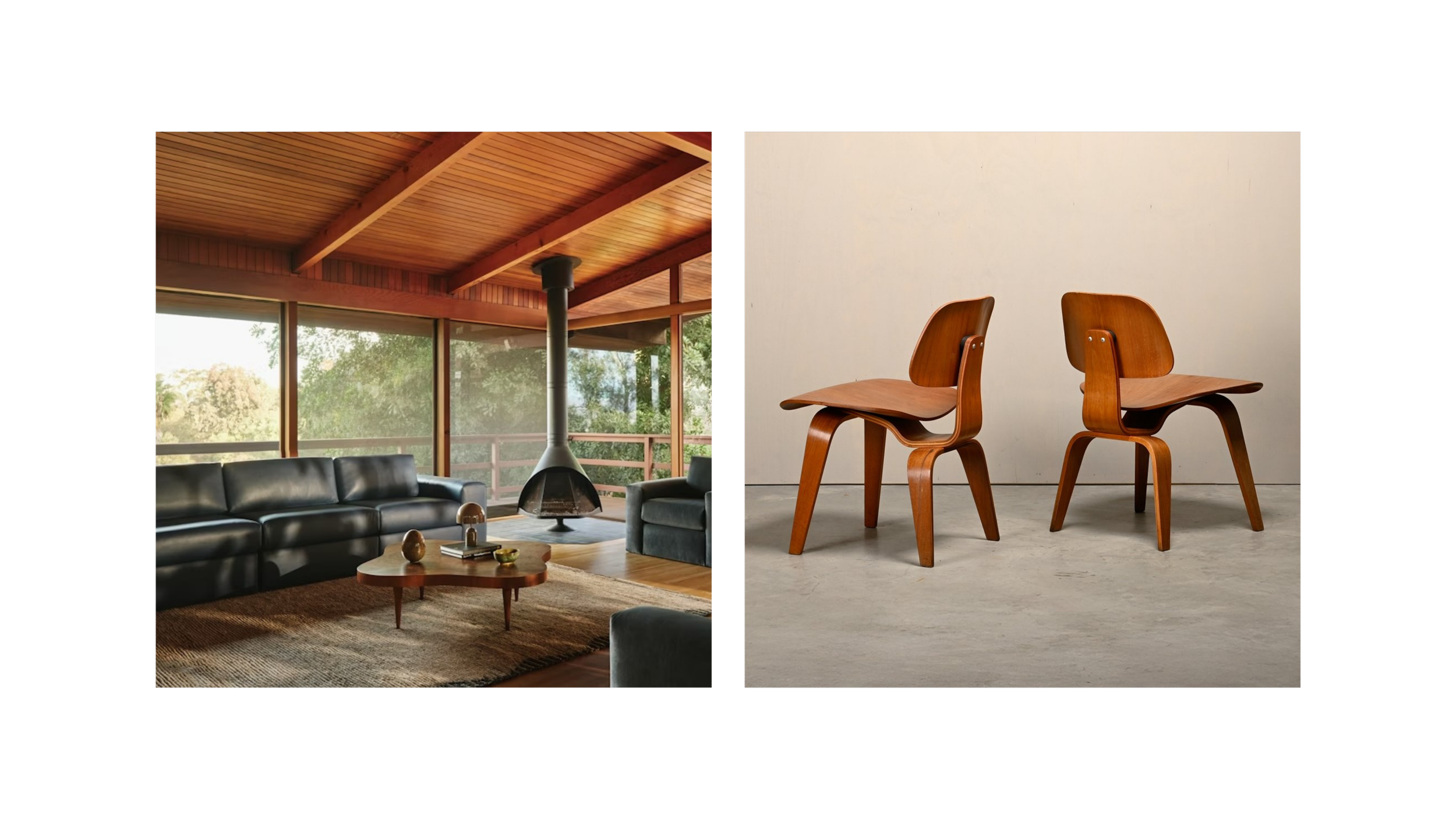
Over time, that decision had an impact. Names started to become recognizable – Charles Eames and Ray Eames, George Nelson, Isamu Noguchi. Not just as collaborators, but as designers with distinct perspectives. The work started to feel that way too. A chair wasn’t just functional – it reflected a way of thinking. A table wasn’t just a product – it carried authorship. You could trace it back to someone.
That changes how people relate to design. When the person behind the work is visible, the work feels more intentional and more considered. There’s a difference between something that was made and something that was made by someone. That difference is subtle, but people feel it.
It also shaped the longevity of the work. Many of these pieces are still around, still referenced, still used. Not because they were trying to be timeless, but because they were rooted in a clear point of view. That clarity tends to age well.
Through the Anoteka Lens
This is something I think about often when it comes to branding. The brands that feel the most distinct usually aren’t the ones trying to appeal to everyone. They’re the ones that feel like they come from somewhere—from a person, a perspective, a set of decisions. You can sense when something has authorship, and you can also sense when it doesn’t.
Credit, in that sense, isn’t just about recognition. It’s about clarity. It shows that there’s intention behind the work and that someone is willing to stand behind it. That’s often what makes something last.
If you’re building a brand, it’s worth asking whether it feels like it came from somewhere, or if it feels like it could belong to anyone. If you’re looking to build something more intentional, more specific, and more grounded in who you are, we’d love to explore it with you.