
The Matchbook That Launched a Restaurant Empire
In 1980, in Tribeca, Keith McNally opened The Odeon.
At the time, downtown Manhattan was still finding its rhythm. The Odeon didn’t just join the neighborhood—it helped define it. It quickly became a place people talked about, a place people returned to, and a place they wanted to be associated with.
What’s interesting is that part of its identity didn’t live inside the restaurant itself. It lived in something much smaller. The matchbook.
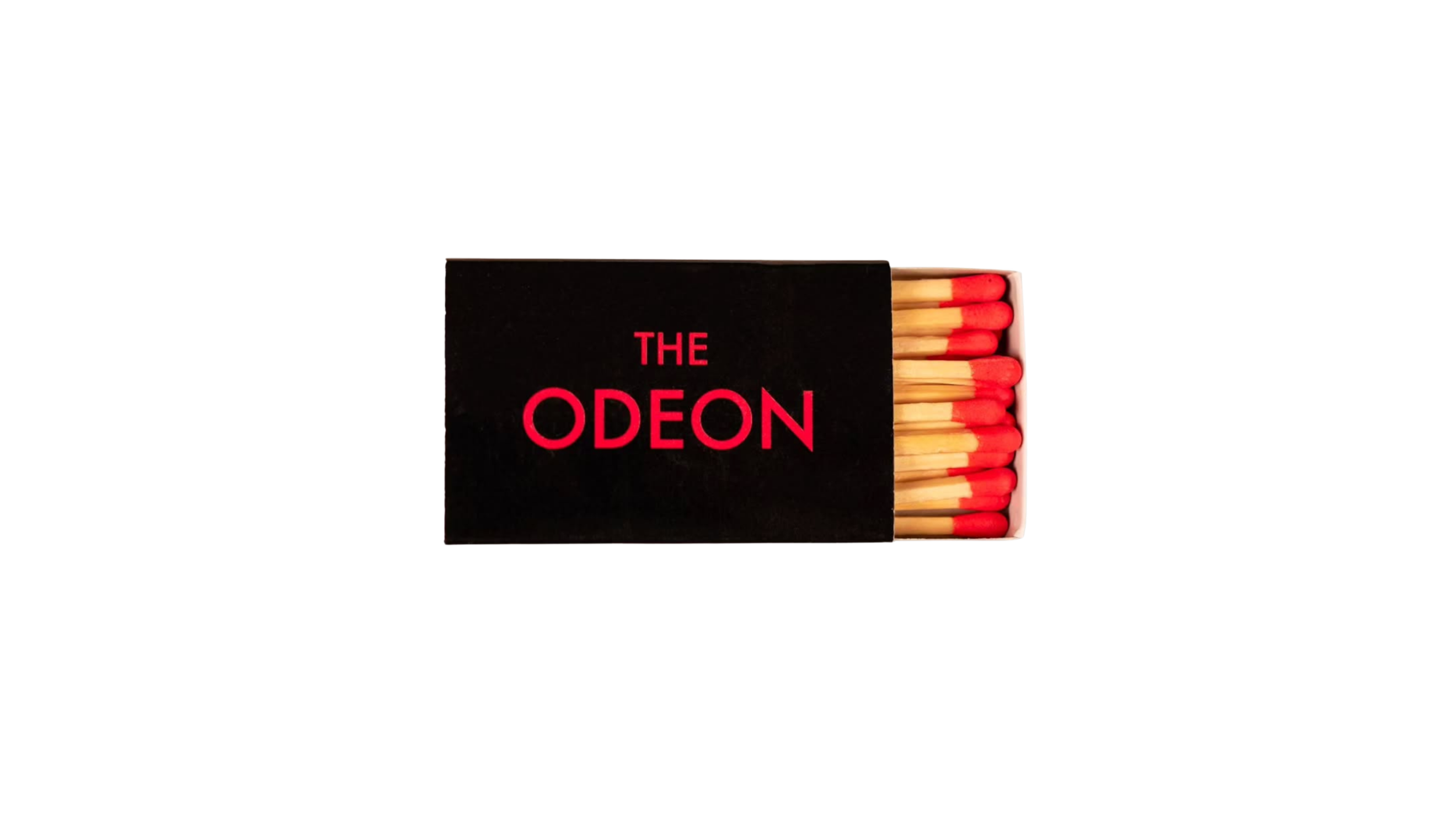
It was simple – black, with bold red type spelling out “The Odeon.” There was nothing decorative about it. No extra elements, no unnecessary details. In many ways, it functioned like a logo before restaurant branding was as considered as it is today. It was clear, recognizable, and easy to remember.
People picked it up and kept it. It showed up on coffee tables, tucked into books, and carried in pockets. It moved beyond the restaurant and into people’s everyday lives. The New York Times later called it “the most identifiable matchbook in Manhattan.” It wasn’t just something you grabbed on your way out. It became part of the experience.
Over time, it started to represent something beyond the restaurant. The matchbook became associated with a certain kind of crowd—designers, writers, downtown creatives. It hinted at taste, at awareness, at being part of something happening. It didn’t need to explain itself. It just needed to exist in the right way.
And from there, something larger began to take shape. What started with The Odeon grew into a series of restaurants that would go on to define a certain New York energy – Balthazar, Pastis, Minetta Tavern, Morandi. Each had its own identity, but all carried a similar sensibility. In a way, it traces back to that early understanding that even the smallest detail can hold meaning.
Through the Anoteka Lens
This is something we think about often when it comes to branding. The strongest brands don’t rely on a single moment or a single touchpoint. They’re built through small, consistent decisions that extend beyond the obvious.
Sometimes it’s not the main thing that people remember. It’s the detail they take with them—the object that ends up on their table, in their bag, or in their daily routine. Those pieces tend to travel further because they become part of someone’s life.
A brand doesn’t need to be loud to be remembered. It needs to be clear, considered, and specific. That’s usually what creates momentum.
If you’re building a brand, it’s worth paying attention to those smaller moments. They often carry more weight than expected. If you’re ready to shape something more intentional, let’s explore it.